
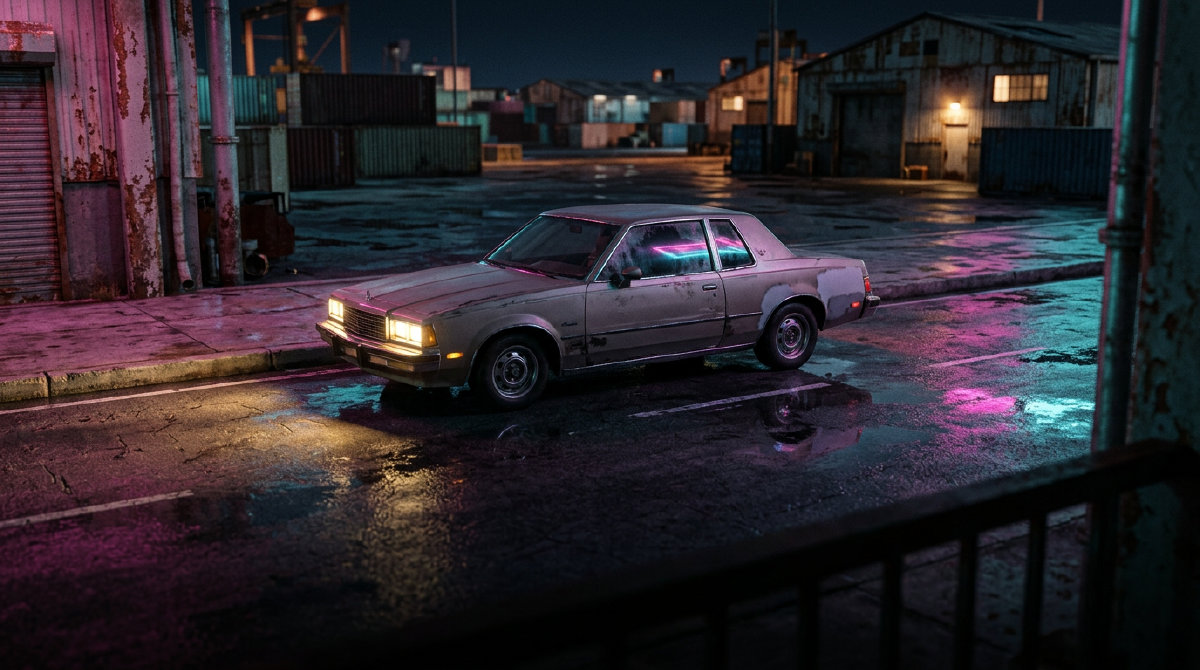
GTA 6 needs players to care for their cars
Fueling and handling will only form a meaningful system if vehicles stop feeling disposable.
Redação G6 World
Recent previews suggest that GTA 6’s refueling system will depend less on realism itself and more on the value the game assigns to each vehicle. If driving, repairing, and preserving a car form a continuous relationship, ten seconds at the pump could matter; if vehicles still feel disposable, the same scene will be little more than an interruption. This is a theory about how the reported systems may connect, not a confirmed description of every mechanic.
According to a preview covered by PC Gamer, YouTuber TGG observed that fueling a combustion car or charging an electric vehicle triggers a sequence lasting approximately ten seconds. Gas stations would also offer an option to repair the vehicle. The report provides a concrete duration, but it does not explain how often refueling is required, how quickly vehicles consume energy, or what happens when a tank runs dry.
The reaction attributed to Rob Nelson during the presentation makes that detail more interesting. According to PC Gamer, the head of one of Rockstar’s studios said the process was “pretty quick to fill up the tank” and asked TGG whether people would enjoy the mechanic. That suggests the time spent on the action is not an invisible detail: Rockstar knows it will be measured against the pace players expect from GTA.
A separate GamesRadar+ report attributes a statement to a Rockstar boss saying that GTA 6’s driving combines the “best aspects” of GTA 4 with the “accessibility of GTA 5.” The available material does not identify the speaker or explain which elements of physics, controls, or vehicle response are part of that combination. It therefore communicates a broad intention rather than offering enough evidence to determine how the cars will actually behave.
Read together, the two reports reveal an important design dependency. A refueling routine is more likely to work when the vehicle has enough practical identity to be worth preserving, whether through its handling, its condition, or the effort already invested in it. The preview does not confirm persistence, ownership, or customization tied to fuel, but without some continuity, maintenance risks asking players to care for something they may abandon minutes later.
Eurogamer’s August 27 report, based on Dazed’s preview interview with Rockstar, supports this reading from a different direction. Food and exercise would visibly affect Jason and Lucia’s weight and muscles, while extended periods without sleep could leave marks on their faces. In this case, the protagonists’ bodies record the routine maintained by the player, creating a visible consequence that lasts beyond an individual meal, workout, or sleepless night.
The common thread is not simply that GTA 6 is pursuing more realism. Ordinary actions gain meaning when they leave traces on something that accompanies the player: clearly the protagonists’ bodies and, potentially, the vehicles they use. Stations offering fueling, charging, and repairs in one location establish a vocabulary of upkeep, although that does not yet prove that a specific car will retain its history throughout the campaign.
The strongest argument against this theory is that cars may remain tools designed for rapid replacement. A ten-second scene could be no more than an atmospheric detail, while the accessibility mentioned in the GTA 5 comparison might mean that switching cars remains more convenient than maintaining a favorite. No report has said that repairs, fuel, and handling are connected to ownership, persistent wear, or any lasting penalty.
There are also important limits to the available evidence. The refueling duration comes from TGG’s observation during a presentation, while the description of driving reached us through a summary that lacks both the Rockstar representative’s name and practical examples. The effects of food, exercise, and sleep deprivation have a clearer origin in Dazed’s preview interview, but they do not automatically establish that vehicles follow the same model of continuity.
The decisive signal in future demonstrations will be the relationship between a car and the time invested in it. We need to see whether fuel actually runs out during normal use, whether the sequence can be skipped, how far apart stations are, whether repairs remain recorded, and whether abandoning a vehicle erases that investment. A demonstration comparing the same car before and after extended use would support the theory; an absence of consequences beyond the animation would undermine it.
For now, the fuel pump is less revealing than the question being asked around it. Rockstar apparently wants to know whether players will accept the pause, but the answer will depend on what the game gives them in exchange for those ten seconds. The real test is whether leaving a car behind feels like switching tools or surrendering something the player has built.
Related

GTA 6 could turn one launch into two peaks
The Twitch chief’s multiplayer forecast and the campaign linked to Spotify point to an important possibility: GTA 6 could occupy the calendar through two launch moments rather than one.
GTA preserves its past in two different ways
GTA: London 1961 returning to the headlines and ambitious GTA 5 mods reveal two different ways of keeping the series’ history in circulation.

GTA 6 Must Mark Where the Puzzle Ends
The collective search for clues is part of the anticipation for GTA 6, but artist posts, casting speculation, fabricated reviews, and drones show that not everything around the game is a puzzle piece offered to the public.