
GTA 6 secrecy faces a proportionality test
The argument used against drones will now be weighed in a dispute involving 34 dismissals and a union Discord
Redação G6 World
GTA 6 secrecy is no longer just a barrier between Rockstar and an impatient audience: it now has to prove that it works proportionately when it reaches workplace relations. The Glasgow dispute places clear external threats beside contested internal decisions, two situations that cannot automatically be justified by the same argument. This reading is based on court submissions reported by GameSpot, IGN and Rock Paper Shotgun.
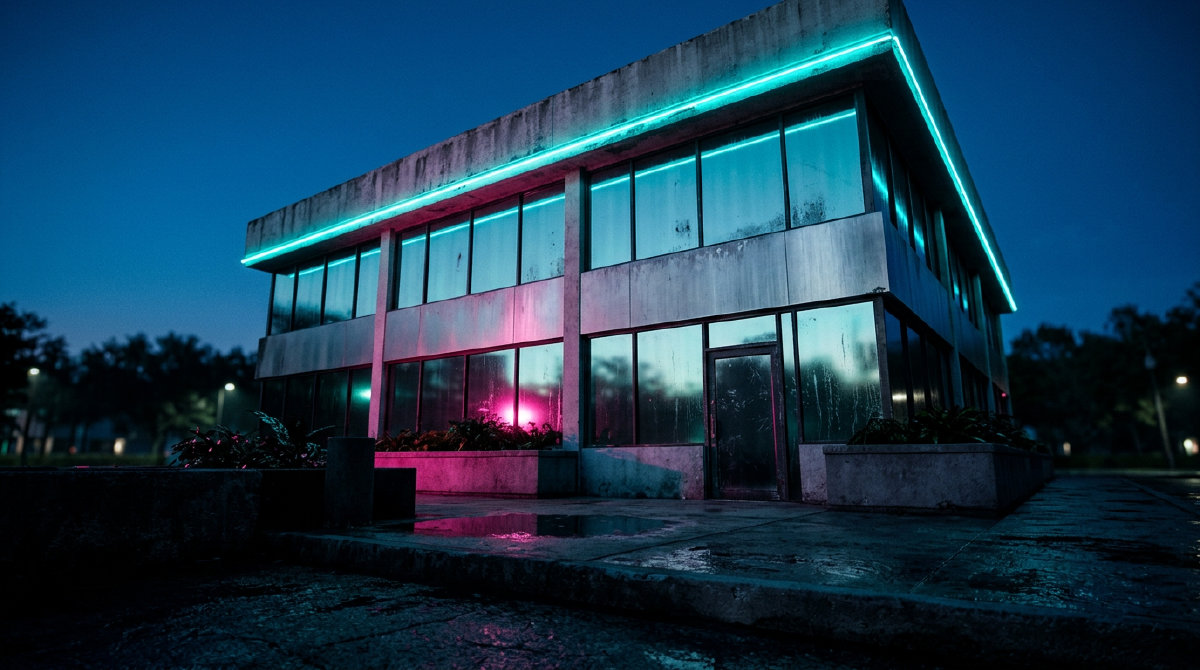
The simplest part of Rockstar’s security policy is also the most visual. According to a company statement reproduced by GameSpot, crediting IGN, drones attempted to photograph the inside of one of Rockstar’s offices, prompting the installation of privacy film on its windows. In that case, there is a direct connection between an attempt at observation and a physical response designed to block it. It is difficult to dispute a studio’s right to prevent aerial photography of private areas where GTA 6 is being produced.
Rockstar’s security structure, however, extends far beyond its windows. The company has five investigators and a director dedicated to potential leaks, alongside restrictions on photography, external storage devices and remote work. In its opening statement at the Glasgow Employment Tribunal, the studio compared protecting GTA 6 systems and design to Apple safeguarding the iPhone and Coca-Cola guarding its formula. The message is clear: Rockstar believes the game must be treated as an exceptional trade secret, not as an ordinary industry project.
The issue changes when that logic enters the dispute that followed the dismissal of 34 employees in October 2025. Most were based in the United Kingdom and connected to GTA 6 development, according to Rock Paper Shotgun’s coverage of the Glasgow filings. The two sides’ opening submissions already total more than 100 pages, while thousands of pages of evidence are expected to be considered in the coming weeks. The allegations currently available therefore open the case without settling what happened.
One disclosed fact is Rockstar’s statement that it received information from three members of a Discord used by unionised workers. One of those sources had allegedly been active for more than two and a half years, while the server was said to have been created in 2022 by organisers from IWGB Game Workers. Take-Two supplied the filings to outlets including Rock Paper Shotgun and Game Developer, making the formal positions visible without turning either side’s account into a verdict. No identities that could expose or accuse individual participants are repeated here.
Read separately, the drones and the Discord can look like two more examples of the extraordinary pressure surrounding GTA 6. Read together, they show why the word security no longer ends the discussion: stopping a camera from seeing through a window is not the same as making employment decisions using information received from a union space. Both situations may involve confidentiality, but their power relationships, rights and consequences are different. That distinction is what turns the employment case into a proportionality test for Rockstar’s security policy.
The Apple and Coca-Cola comparison explains the scale of Rockstar’s concern, but it does not determine where the boundary belongs. GTA 6 contains systems and design features the company considers unique, while the drone incidents demonstrate the public appetite for discovering them early. Even so, the commercial value of a secret does not prove by itself that every measure taken to protect it was appropriate. In a tribunal, anticipation, budgets and franchise size provide context; the decisive weight must come from evidence about each decision.
This also changes how fans should understand Rockstar’s security apparatus. Five investigators, a director and technical controls may appear to be simple signs of GTA 6’s scale, but the hearing shows that these structures can also affect people and internal processes. The point is not to demand that Rockstar abandon secrecy or to pretend that attempts to obtain information early are harmless. It is to recognise that a policy designed to protect a game still needs justification when it leaves the technical sphere and influences a dismissal.
The strongest argument against this thesis is that separating external threats from internal risks may be artificial. Confidential information can leave a company through different channels, and Rockstar argues that its standards must exceed those of most employers because of the intense interest in GTA 6. Attempts to photograph the office give that risk assessment substance rather than leaving it as corporate paranoia. If the evidence shows concrete violations and responses specifically tied to them, the internal measures could look as targeted as the privacy film placed on the windows.
The key signal to watch, then, is not the number of additional security rules but how closely the evidence connects specific conduct to the 34 dismissals. The thousands of pages still expected may clarify how information reached the company, which policies applied and how decisions were made, without requiring confidential material to be reproduced. A finding based on concrete acts would weaken the argument that secrecy was applied too broadly. Difficulty establishing that connection would instead support the view that protecting GTA 6 became a justification wider than the available facts allowed.
Rockstar has verifiable reasons to protect GTA 6, and the drones make it impossible to dismiss those reasons as an abstract excuse. The Glasgow case will nevertheless determine whether the strength of that concern is enough to support the actions taken in the workplace. For fans following the series, the important question is no longer how to discover the game early, but which boundary its production should not cross.
Related

GTA 6 could turn one launch into two peaks
The Twitch chief’s multiplayer forecast and the campaign linked to Spotify point to an important possibility: GTA 6 could occupy the calendar through two launch moments rather than one.
GTA preserves its past in two different ways
GTA: London 1961 returning to the headlines and ambitious GTA 5 mods reveal two different ways of keeping the series’ history in circulation.

GTA 6 Must Mark Where the Puzzle Ends
The collective search for clues is part of the anticipation for GTA 6, but artist posts, casting speculation, fabricated reviews, and drones show that not everything around the game is a puzzle piece offered to the public.