
GTA 6 Is Being Built to Last Beyond the Screen
Detailed imagery, physical music releases, and an inherited cover style point to a game designed as a cultural archive too.
Redação G6 World
GTA 6 is being presented not only as a game to be consumed at launch, but as a work built to be examined, collected, and rediscovered. When GameSpot’s study of 99 images, a three-hour physical soundtrack, and the continuity of the cover design are read together, they suggest a strategy for permanence that extends beyond the impact of a marketing campaign. None of these elements guarantees longevity on its own, but their combination shows unusual attention to what may remain after the first playthrough.
The first sign is how much information survives prolonged inspection. GameSpot senior video producer Jake Dekker assembled 99 high-resolution captures and identified unkempt beards, scars, subtle gravity effects, signs of time passing on NPCs, and even a distinct version of paper money for the game’s universe. According to GameSpot, promotional artwork for the Ultimate Edition was not included in that count. That matters because the images are doing more than showcasing characters and scenery: they contain enough material to support frame-by-frame investigation.
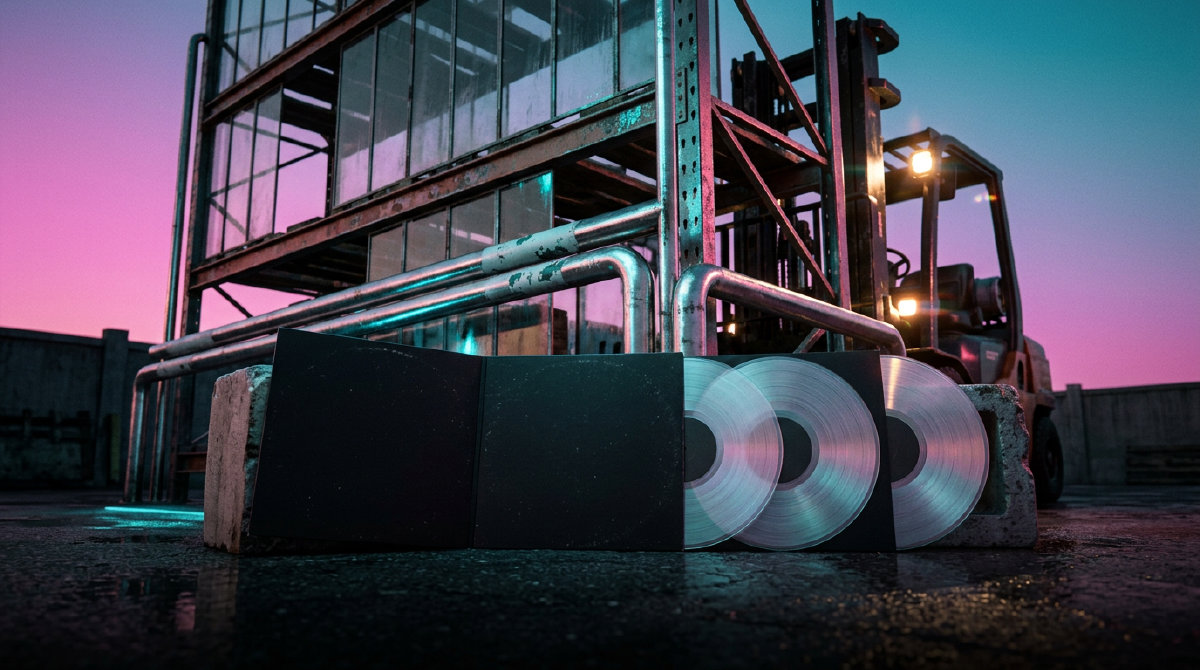
The music expands that idea beyond the visual presentation. According to IGN, the original score composed by Justice will contain 30 tracks and approximately three hours of material, with a physical release scheduled for December 11, almost a month after GTA 6 launches. Instead of disappearing into the flow of the game, this part of the experience will receive a second life as an album. The gap between the two releases also creates a later opportunity to return to the work through a different medium.
The physical presentation shows that this is not simply a matter of placing audio files on a disc. IGN describes a three-LP edition with a UV gloss finish, alongside black records offered through Amazon and a limited clear-vinyl edition sold by the Justice store. The CD version will divide the album across two discs held in an elaborate foldout case decorated with GTA 6 imagery. Both physical formats will also provide access to an unspecified number of additional digital tracks, although the source does not reveal their titles or quantity.
The cover adds a historical layer to that collection of objects. Speaking to IGN at Lucca Comics and Games, former Rockstar artist Stephen Bliss said he recognized his influence in GTA 6’s image grid and in the helicopter placed in the upper-left corner. Bliss worked at Rockstar from 2001 to 2016 and helped establish part of the visual identity associated with the series. He made clear that he did not create the new cover, but said he was touched to see some of those choices remain alive a decade after his departure.
The appearance of “Devil Woman” shows how that bridge can also reach people who do not follow GTA. Cliff Richard, 86, told The Times that relatives informed him his song had appeared in the GTA 6 Extended Look and that he initially did not even understand that GTA 6 was a video game. He welcomed the possibility of the track reaching a new generation, particularly after hearing the reaction of his nephew’s children. It is a small but concrete example of GTA removing a song from its original context and opening a new entrance to it.
Together, these facts place GTA 6 in three periods at once. The cover preserves a design language built over decades, the music brings an older song to new listeners, and the high-resolution images invite the current audience to search for details before playing. The physical soundtrack is already preparing an object that can remain on a shelf after the launch campaign has ended. That continuity between past, present, and future is the point that none of these stories reveals in isolation.
This does not mean GTA 6 is simply leaning on nostalgia. Bliss told IGN that the new cover has its own visual language despite its inherited elements, while GameSpot found details as specific as paper currency created for the new game’s universe. IGN also presents the 30-track score as an original work composed by Justice, rather than just a compilation of familiar songs. The inheritance therefore appears to provide a structure for something new instead of replacing new ideas.
The most interesting consequence is a change in how the audience can relate to the game. A conventional promotional campaign attempts to concentrate attention, while these materials also reward slow attention through pausing a capture, listening to three hours of music, or recognizing the genealogy of a cover. GameSpot’s investigation demonstrates that part of the community is already treating the images like documents to be studied. The physical release described by IGN turns at least one part of GTA 6 into something that can be separated from the console and revisited on its own.
The strongest argument against this reading is that collectibles and detailed images do not prove cultural permanence. Promotional captures are carefully selected, elaborate packaging also exists to sell products, and Richard’s discovery is ultimately a family anecdote. Even three hours of music cannot guarantee that the album will work outside the missions and scenes for which it was composed. GTA 6 can only endure if the complete game gives these objects meaning, and the available sources do not yet allow that judgment.
The clearest signal to watch will be what happens when these materials stop being promises. The complete 30-track list, the number of digital bonuses, and the final packaging will indicate whether the album has an identity of its own or primarily functions as a souvenir of the game. Launch will likewise reveal whether the details found by GameSpot remain readable during play or depend on carefully chosen captures. If the music, artwork, and small visual elements continue to generate new interpretations months later, the permanence thesis will grow stronger; if interest collapses after release, it will weaken.
GTA 6’s scale will be measured through sales and audience records, but those figures cannot describe the entire life of a creative work. The influence recognized by Bliss, the rediscovery of “Devil Woman,” and the decision to press three vinyl records point to an ambition that also involves memory. The decisive test will not be only how many people arrive on the first day, but how many still find something worth hearing, observing, or reinterpreting after the noise of launch fades.
Related
GTA VI: how the release changed twice
GTA VI has gone through three official release targets. Here is the path from its original 2025 window to November 19, 2026.
Four days separated the delay and Trailer 2
Rockstar delayed GTA VI to May 2026 on May 2, 2025. Trailer 2 followed just four days later, giving the game’s campaign an immediate new focus.

GTA 6 Uses the Familiar to Reveal Its Complexity
Cover art, music, visual details, and mechanics point to the same strategy: GTA 6 preserves the series’ classic signals while placing novelty beneath them.